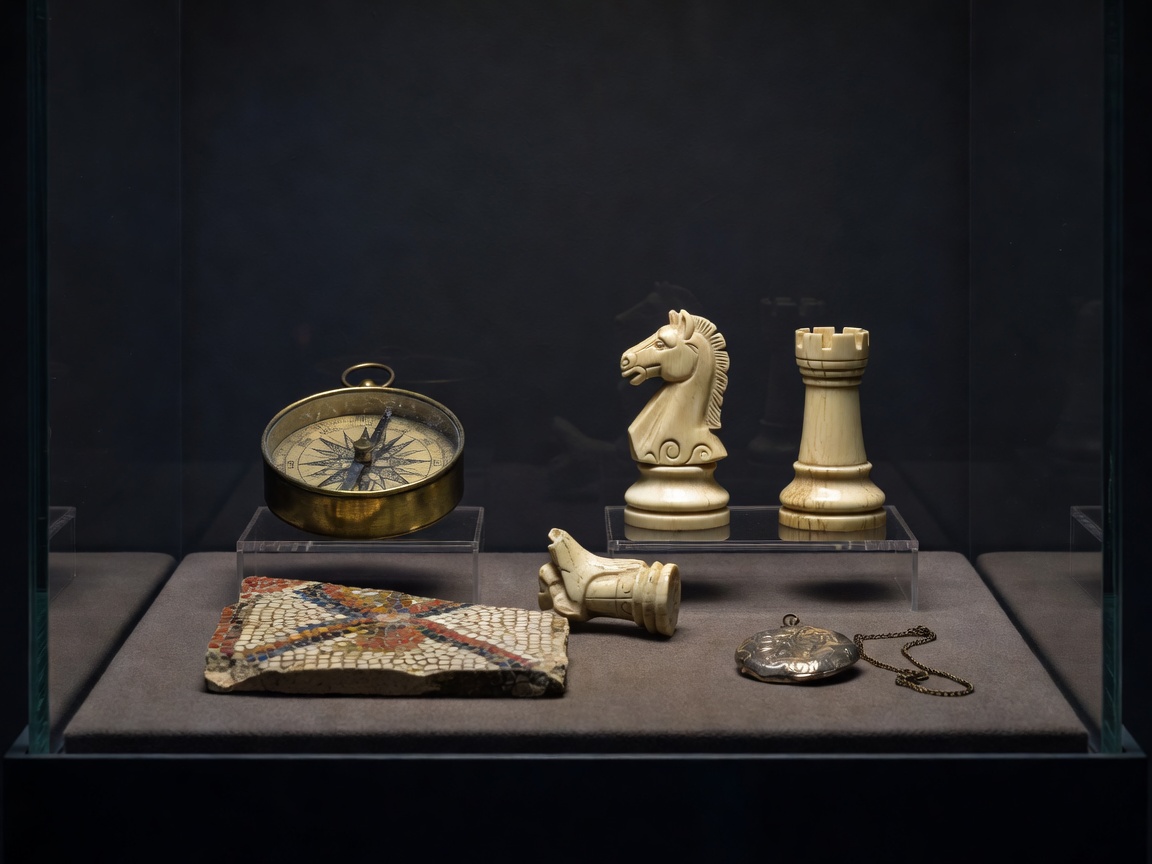
Collections organise objects, documents, images, buildings, and knowledge. A history museum may use personal accounts and everyday objects. An art museum may build a story around makers, materials, or periods. The category helps you search; the institution’s own collection description explains its specific focus.
History and art collections
History museums interpret events, communities, political change, and daily life through objects and records. National, municipal, and local museums can approach similar subjects at different scales. Look for the period covered, the communities represented, and the kinds of evidence used. This helps avoid treating one exhibition as the complete account of a place.
Art museums collect or exhibit works across media and periods. Their focus may be national art, international movements, a particular medium, or a historic building and its collection. Check whether the institution presents a permanent collection, changing displays, or both. Exhibition schedules change, so confirm current details with the institution.
Architecture collections may interpret buildings, urban planning, construction materials, or the history of a neighbourhood. In the Baltic states, the museum experience may extend beyond a gallery: the surrounding built environment can provide essential context. Treat the building as a source, but distinguish interpretation from unsupported assumptions about its history.
Archaeology, ethnography, and everyday life
Archaeology museums and collections use excavated objects and associated evidence to study past societies. The context in which an object was found matters as much as its appearance. Displays may address settlement, trade, burial, craft, or long-term change. Read labels for dates and provenance, and note where interpretations are presented as current scholarship rather than settled fact.
Ethnographic and open-air museums often focus on material culture, building traditions, craft, and everyday practice. The subject may be a region, community, or period. These collections can make visible the relationships between landscape, work, domestic life, and built form. Outdoor sites have different access needs from indoor galleries. Weather, season, and route conditions can affect a visit.
Specialist fields and industrial heritage
Maritime collections address ships, navigation, ports, fishing, trade, or coastal communities. They are especially relevant when reading Baltic shorelines and island histories. A maritime institution may combine technical objects with personal and social histories; check its collection description to see the balance.
Science and technology museums interpret experimentation, natural systems, engineering, and technological change. Industrial heritage collections may preserve machinery, production sites, tools, or workers’ histories. Some venues occupy former industrial buildings. Their architecture can add evidence, but visitor access and operational status vary. Military history collections may examine conflict, defence, and the material record of military life. Look for context and scope rather than assuming a single viewpoint.
Literary and cultural collections may be organised around writers, publishing, language, performance, or a particular cultural movement. Their records can connect objects with texts, personal archives, and place. Science, military, literary, and industrial subjects are often distributed across specialist and local institutions rather than one central venue.
Choose a collection by question
Begin with a question, not only a category. “How did this port change?” points toward maritime and local history. “How is the city represented in painting?” suggests an art collection, while architecture collections may add the urban setting. A question about everyday life might lead to ethnographic, local history, or open-air collections.
- Objects and evidence: look for archaeology, history, design, or industrial collections.
- Place and buildings: search architecture, local history, and open-air heritage themes.
- Sea and movement: consider maritime, port, trade, and transport collections.
- Ideas and practice: explore art, literature, science, and cultural history.
Compare the stated scope, location, access information, language options, and the amount of time you can spend. For regional venues, check transport and hours directly. This guide does not provide live exhibition listings, prices, or schedules.
Good for / What to know
Good for
- Visitors choosing a subject across more than one Baltic country.
- Researchers comparing institutional approaches to similar themes.
- Anyone who wants a more focused route than a general museum list.
What to know
- Categories overlap. A single collection can span art, history, and design.
- Exhibitions and access arrangements change; confirm current details at source.
- Collection labels describe broad fields, not guaranteed displays.
Selection criteria
The index uses established museum disciplines as a search framework. It favours clear, useful categories over unsupported rankings. A category is not an endorsement or an institutional partnership. Continue with regional coverage to locate themes in their geographic context.