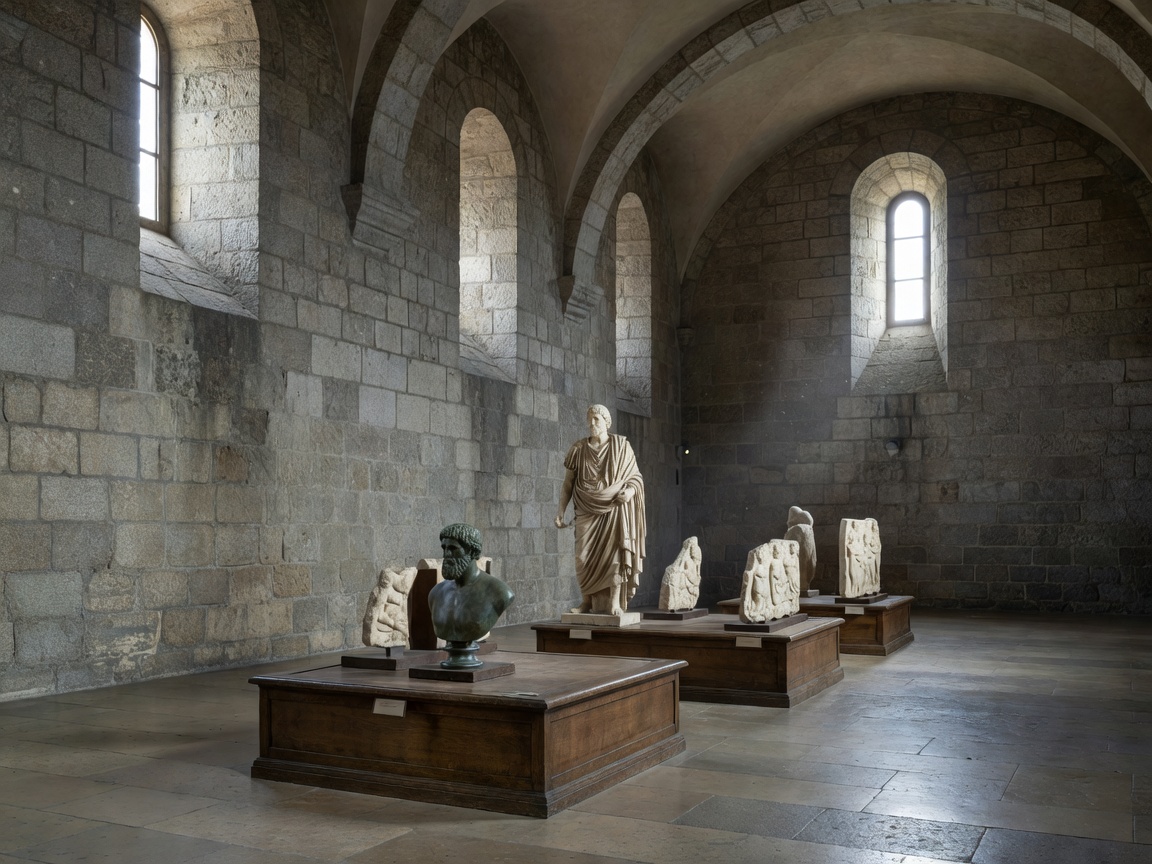
Lithuania’s museums sit within a varied cultural geography. Vilnius offers a major concentration of national and city collections. Kaunas and Klaipėda add different urban, historical, and coastal contexts. Regional institutions bring local stories into focus. The most useful route depends on the subject and the time available.
Vilnius: broad collections in a layered city
Vilnius is Lithuania’s capital and a starting point for art, history, architecture, and cultural collections. Its built environment helps explain how different periods and communities shaped the city. When a museum’s subject concerns urban life, the streets around it can provide useful context, though a walk is not a substitute for collection evidence.
Visitors can begin with the institution’s stated remit. Does it focus on a period, a community, a medium, or a national theme? Does it interpret a historic building as part of the experience? These questions are more useful than relying on broad labels. Exhibition schedules and access details change; consult each institution for current information.
Kaunas, Klaipėda, and the wider city network
Kaunas offers a separate urban frame and a range of cultural subjects. It can support comparisons around design, architecture, history, and city identity. Klaipėda brings a coastal setting and maritime context into view, alongside local and cultural histories. The cities do not function as interchangeable stops: each has its own geography and collection landscape.
A multi-city route needs realistic travel time. Decide whether a city is a destination in its own right or a short stop between other visits. Research the particular collection first, then check transport and opening arrangements. Current schedules, prices, and venue access are not supplied by this guide.
Art, history, heritage, and architecture
Art museums may display works from different periods and media, with permanent and changing presentations. Collection descriptions help clarify what the institution collects and what is currently on view. History museums can interpret political, social, and everyday change through objects, documents, and personal accounts. Look for the period covered and the communities represented.
Heritage collections may focus on a place, tradition, building, or community. Architecture can be read through both specialist interpretation and the city’s physical fabric. Cultural collections may include literature, performance, craft, or local memory. These fields overlap. A historic house, for example, may combine architecture, decorative arts, and biography.
Regional museums are important for local history. They can explain a district’s landscape, work, buildings, and social change with more detail than a broad national overview. Their scope may be intentionally narrow. A small local collection can answer a precise question that a large general museum cannot.
Regional collections and local scale
Beyond the largest cities, museums and heritage collections may address archaeology, local industry, agriculture, craft, community histories, or the built environment. The subject is often tied closely to a specific place. Use local collections to understand how national and regional narratives intersect, rather than treating one as a smaller version of the other.
Planning is important. Opening patterns, transport connections, language options, and accessibility information vary. Some venues may have limited hours or seasonal arrangements. Confirm details directly before travelling, especially if a museum is the main purpose of a day trip. This guide does not publish unverified schedules, addresses, ticket prices, or event listings.
Practical route design
Choose a theme and limit the number of stops. A city route might pair an art collection with an architecture walk. A coastal route can combine maritime history with local cultural context. A regional route may need a full day once travel is included. Check whether the institution offers information in a language you can use and whether the building suits your access needs.
- Vilnius: build a focused route around art, history, heritage, or architecture.
- Kaunas: compare city collections with design and built-environment themes.
- Klaipėda: consider coastal, maritime, and local history perspectives.
- Regional towns: confirm transport and opening details before departure.
Good for / What to know
Good for
- Visitors comparing the capital with other Lithuanian cities.
- People interested in art, heritage, and architecture in urban context.
- Researchers seeking local accounts beyond broad national narratives.
What to know
- Vilnius is a strong starting point, not a complete map of the country’s collections.
- Kaunas, Klaipėda, and regional centres have distinct contexts.
- Check institution websites for current exhibitions, access, and schedules.
Selection criteria
This guide uses geography and collection subjects to help visitors form a route. It is independent and informational. It does not imply affiliation with museums or public bodies, and it does not rank institutions. The best fit depends on your interests, travel time, and current access information.