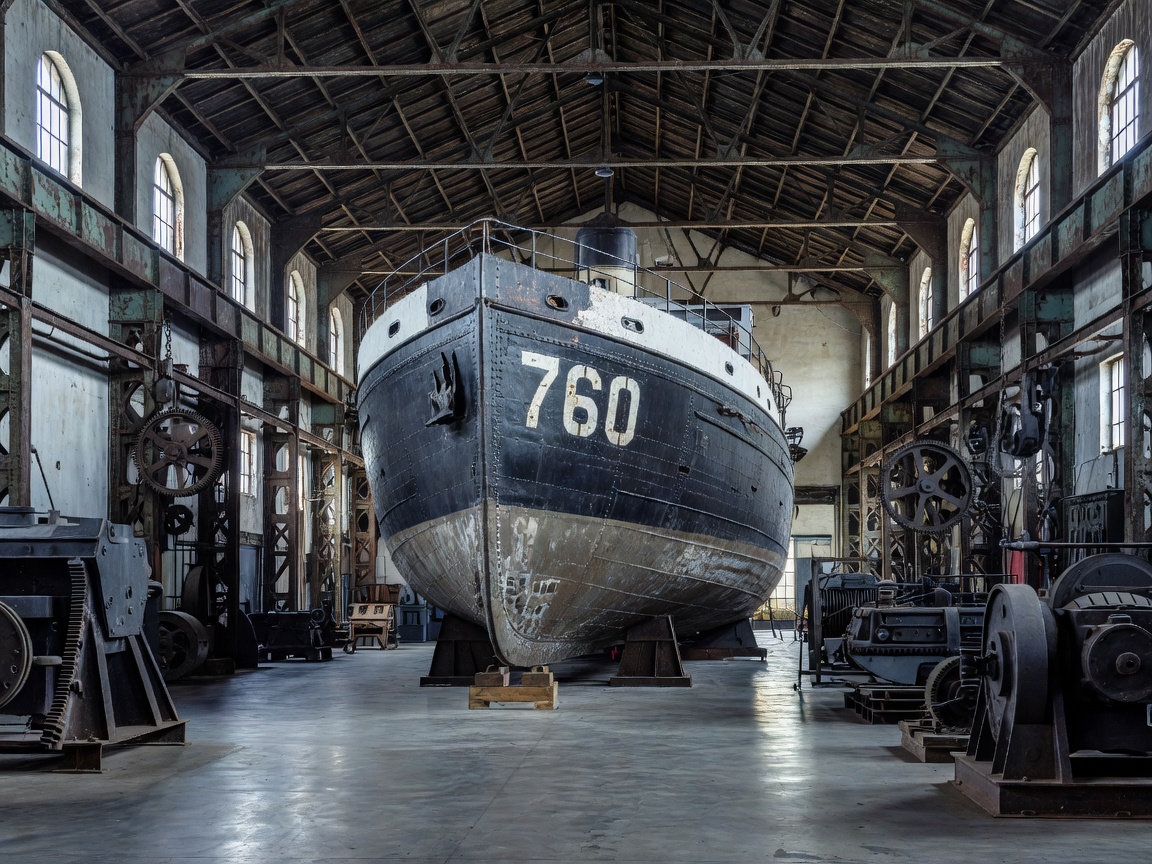
Estonia’s museum landscape combines capital-city collections with specialist and regional subjects. Tallinn is a major starting point. Tartu and Pärnu add different urban perspectives, while the country’s coastline and islands open routes into maritime and local history. Collection scope varies. Use official sources for current visitor information.
Tallinn: history, design, and the built environment
Tallinn is Estonia’s capital and a useful base for exploring history, maritime heritage, design, and cultural collections. The city’s historic fabric is an important reference point for understanding urban development. A museum visit can be paired with attention to the surrounding streets and buildings, while keeping architectural observation separate from facts supplied by collection interpretation.
Begin by checking what an institution actually collects and interprets. A history museum may focus on a particular period or community. A design collection may address objects, processes, and makers. Maritime collections can connect vessels and navigation with trade, labour, and coastal life. The label is only the first step; the museum’s own description provides the detail.
Tartu and Pärnu offer different frames
Tartu provides an additional city context and is often considered through science, education, culture, and local history themes. Science collections can help explain methods and ideas as well as objects. Their scope may include natural history or technology, depending on the institution. Confirm collection and visitor information directly before planning a visit.
Pärnu offers a coastal setting with local and cultural histories. Depending on the institution, a visit may connect urban development with shoreline, recreation, or regional themes. Do not assume a coastal museum covers every maritime subject. Read its stated remit and compare it with your interests.
Travelling between cities takes time. Decide whether a stop is a main destination or one part of a longer route. Check public transport, opening schedules, and access information at source. This guide does not publish unverified hours, prices, addresses, or live exhibition details.
Maritime heritage, design, and science
Estonia’s coastline, islands, and ports make maritime heritage a useful lens. Collections may interpret ships, seafaring, fishing, navigation, trade, or coastal communities. Look for the relationship between objects and their social context. Technical displays tell one part of the story; labour histories and local narratives may add others.
Design museums and collections can connect material culture with everyday use, production, and changing ideas about form. Architecture themes add another layer by examining buildings, urban planning, and the use of space. These subjects can overlap with history and industrial heritage. A single object may be understood through design, technology, and social history at once.
Science collections may invite close attention to observation, experimentation, and the natural world. Check whether an institution is primarily exhibition-based, collection-based, or interactive. Do not assume that every display is permanent or that current activities are available on a particular date.
Regional and island collections
Regional museums can bring focus to local communities, landscapes, industries, and memory. Island and coastal settings may address distinct ways of living and working. Rural collections can interpret buildings, craft, agriculture, and material culture. These subjects are shaped by local geography, so a regional museum is not simply a smaller capital-city institution.
Plan for distance and seasonal conditions. Some venues are easier to reach by car or coordinated transport than by frequent public transit. Outdoor displays and historic sites can have access needs that differ from indoor galleries. Check accessibility statements and visitor information directly. If a venue is central to your itinerary, verify that it is open before setting out.
Practical route design
Choose a primary interest, then add one complementary subject. A Tallinn route could pair history with maritime or design context. A Tartu visit might centre on science or local cultural collections. Pärnu and coastal routes can be planned around regional history and shoreline subjects. Keep travel time in view; a map can understate the effort needed to reach a rural or island location.
- City history: compare institution interpretation with the surrounding built environment.
- Sea and coast: look for maritime, port, island, and community-history collections.
- Science and design: check the collection scope and whether displays are permanent or changing.
- Regional visits: confirm transport, access, and operating schedules in advance.
Good for / What to know
Good for
- Visitors interested in maritime and coastal heritage.
- People comparing Tallinn with Tartu, Pärnu, or regional centres.
- Researchers connecting science, design, and local cultural histories.
What to know
- Tallinn is a major cluster, but regional and island collections add distinct context.
- Travel distances and seasonal access matter outside the main cities.
- Exhibitions, hours, prices, and visitor services can change; check official sources.
Selection criteria
This country guide groups museum subjects and locations without ranking institutions. It is an independent reference, not an official directory or partner service. Choose based on collection scope, access needs, travel time, and current information supplied by the institution.