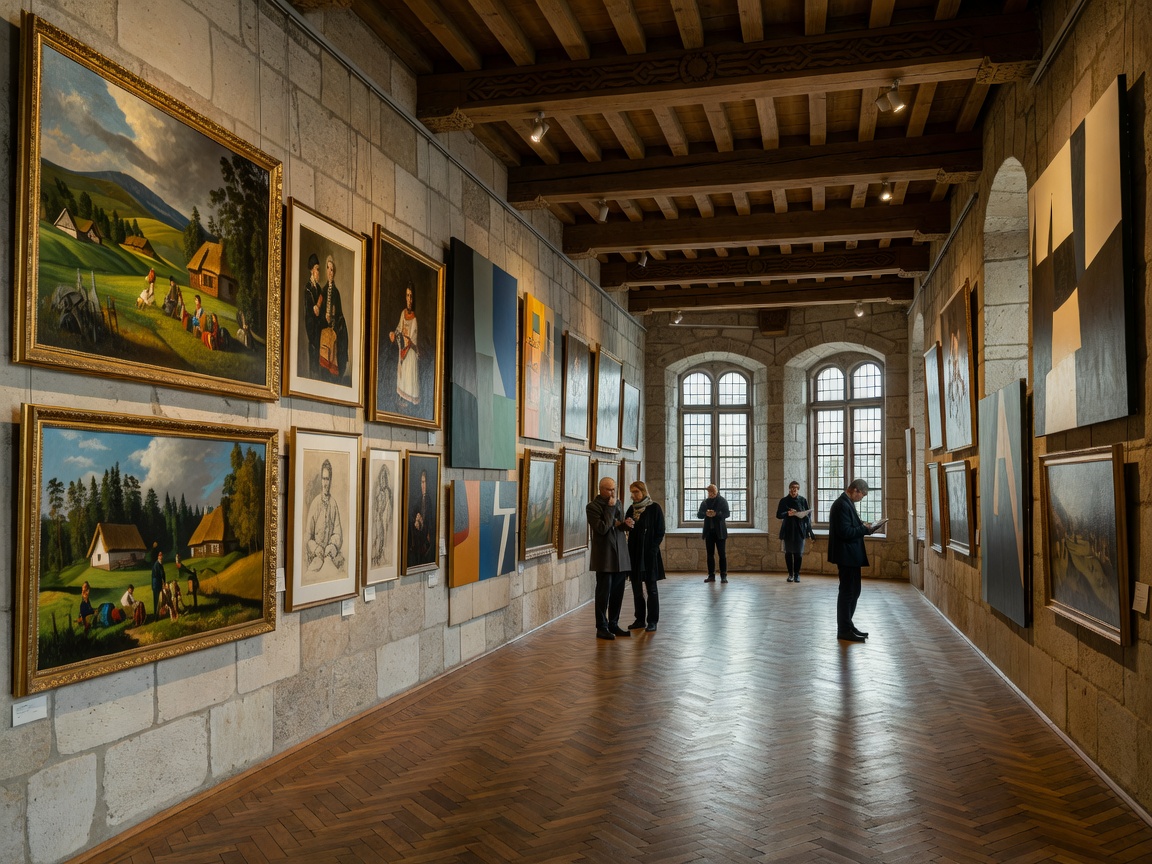
Latvia’s museum landscape includes national, municipal, specialist, and local collections. Riga offers the broadest starting frame for many visitors. Beyond the capital, museums can focus on regional history, craft, ethnography, industry, and the relationship between communities and their surroundings.
Riga as a starting point
Riga is Latvia’s capital and a major centre for art, history, and cultural institutions. Its museums can be read alongside the city itself: historic streets, later urban development, and varied architectural periods provide context for collections concerned with civic life and the past. Allow time to consider the city setting as well as the gallery or exhibition.
For a first visit, select a theme rather than trying to cover every category. Art collections can introduce Latvian and wider European visual culture. History collections can place objects and records in longer timelines. Architecture-focused interpretation helps explain how neighbourhoods and buildings have changed. The scope differs between institutions, so read the official collection descriptions before choosing.
Themes across Latvia’s collections
Art museums and galleries present work across periods, media, and national contexts. Some collections have a defined historical focus; others change through exhibitions. Check current displays at source. Do not assume that a museum’s title guarantees a particular exhibition or artist will be on view.
History collections range from broad national narratives to city and community stories. They may use documents, objects, photographs, and personal accounts. Ethnographic collections can explore clothing, craft, domestic life, and regional practices. Open-air settings may present buildings and material culture in a landscape rather than a conventional gallery. Weather, route conditions, and seasonal operations may affect access.
Industrial heritage connects technology, labour, production, and the built environment. Local institutions can interpret a former trade or industry through objects and community memory. Architecture collections and historic sites offer another way to read the urban fabric. Each approach has a different scale: a national overview is not a replacement for a local account.
Regional Latvia
Outside Riga, regional museums can help locate a subject within a specific town, district, or landscape. Some focus on local history and archaeology; others address craft, agriculture, transport, or a particular cultural tradition. The collection may be modest in size but precise in geographic scope. That detail can make a regional visit especially useful when researching a family connection, local building, or historical theme.
Coastal communities, rural areas, and regional cities each bring different cultural questions. A coastal route may foreground maritime life and changing economies. A rural route can connect building traditions, work, and material culture. City collections may trace local industry or civic development. Avoid treating “regional Latvia” as one uniform subject: language, landscape, and historical experience vary from place to place.
When a named institution or current display matters to your plans, use its official website for operational details. This guide intentionally avoids unverified addresses, prices, opening times, exhibition dates, and event schedules.
Plan a route by subject and distance
Choose a base, define one or two themes, and check the travel between venues. In Riga, consider pairing a collection visit with time in the surrounding neighbourhood. For a regional journey, confirm transport and opening information before departure. Some venues have limited seasonal hours or require more planning than a central city museum.
- Art and architecture: combine a collection visit with a walk that helps explain the city’s built layers.
- History and community: look for local institutions with a clear district or city focus.
- Ethnography: compare indoor object displays with open-air or landscape-based interpretation.
- Industry: check whether the institution interprets a collection, a site, or both.
Language provision and accessibility information vary. Confirm what is available directly with the institution. Allow time for travel, and avoid building a schedule around unconfirmed exhibitions.
Good for / What to know
Good for
- Visitors using Riga as a base for art, history, or architecture.
- Researchers looking for local-scale accounts outside the capital.
- Travellers interested in ethnography, industry, and regional cultural landscapes.
What to know
- Riga has a dense range of subjects, but Latvian collections are not limited to the capital.
- Regional access and schedules vary. Confirm before travelling.
- Current exhibitions, prices, and visitor arrangements can change.
Selection criteria
This guide is organised around established museum categories and geographic context. It is an independent informational resource, not an official directory or institutional partner. It does not rank venues. Use the stated collection scope, current visitor information, and your own route needs to decide what to visit.